
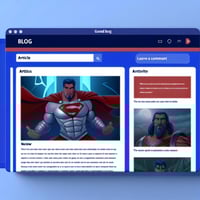
A post about superman. Here is the preview.
Practical Steps to Improve Construction Project Management
Practical Steps to Improve Construction Project Management
Laying the Foundation: Setting Clear Project Objectives
A successful construction project begins with establishing clear, measurable objectives. Defining project goals upfront helps all team members understand the desired outcomes and sets the stage for effective planning and execution.
Break down high-level objectives into actionable milestones, and communicate these to every project participant. This clarity minimizes misalignment and ensures resources are allocated efficiently, reducing wasted effort and keeping the project on track.
Streamlining Communication Across Teams and Stakeholders
Efficient communication is essential for smooth project delivery. Establish regular check-ins and use collaborative platforms to keep everyone informed and engaged. Designate clear points of contact for each team to reduce confusion and foster accountability.
Encourage open feedback loops between field workers, managers, and external stakeholders. This proactive approach to communication helps identify potential issues early and keeps teams aligned with project goals.
Leveraging Technology for Enhanced Project Tracking
Modern construction project management relies on technology to monitor progress and manage resources. Implement software solutions that offer real-time updates, centralized document storage, and automated reporting to give everyone access to current information.
Utilizing digital tools allows for better forecasting, quick identification of bottlenecks, and more accurate budget tracking. Small businesses can benefit from scalable solutions that grow with their project needs, making technology adoption a smart investment.
Risk Management: Preventing Delays and Cost Overruns
Proactive risk management is crucial to avoid unexpected setbacks. Start by identifying potential risks—such as weather delays, supply chain disruptions, or regulatory changes—early in the planning stage.
Develop contingency plans for high-impact risks and monitor them throughout the project lifecycle. Regularly reviewing risk factors and updating mitigation strategies helps prevent costly overruns and keeps projects moving forward.
Continuous Improvement Through Post-Project Analysis
After project completion, conduct a thorough review to identify successes and areas for improvement. Gather input from all stakeholders to gain diverse perspectives on what worked well and what could be enhanced.
Use these insights to refine future project processes, update training materials, and implement best practices. Continuous improvement not only boosts efficiency but also strengthens your team's capability for future growth.